From smartwatches to AR glasses, wearable tech is evolving faster than ever. But what’s coming next? Just a decade ago, wearable technology was mostly limited to fitness bands counting our steps.
Fast forward to today, and we’re surrounded by a wide range of smart devices that live on our wrists, in our ears, over our eyes, and even on our clothes. These gadgets have quickly become part of everyday life—monitoring our health, enhancing productivity, and even changing how we interact with the world.
As we stand on the edge of another leap in innovation, it’s worth asking: What does the future of wearable technology hold? In this blog, we’ll take a closer look at the current landscape of wearables, the emerging trends for 2025 and beyond, and the transformative impact they are expected to have on both our personal and professional lives.
What Is Wearable Technology?
Wearable technology refers to electronic devices that can be comfortably worn on the body and are designed to collect, analyze, and often act on data in real time. These devices come in many forms—watches, rings, glasses, clothing, and even tattoos—and they connect us to the digital world in seamless, often invisible ways.
Currently, wearable tech is most commonly used for health tracking, fitness monitoring, communication, and immersive experiences. As sensor technology and AI continue to evolve, these devices are becoming more powerful, predictive, and personalized.
Major companies leading the innovation charge include Apple, Samsung, Google (with Fitbit), Meta, Garmin, and Bose, each investing heavily in next-gen wearable ecosystems.
Where We Are Today: The State of Wearable Technology in 2024
Wearables today are not just about convenience—they’re becoming essential tools for health, entertainment, productivity, and even safety.
Smartwatches and Fitness Trackers
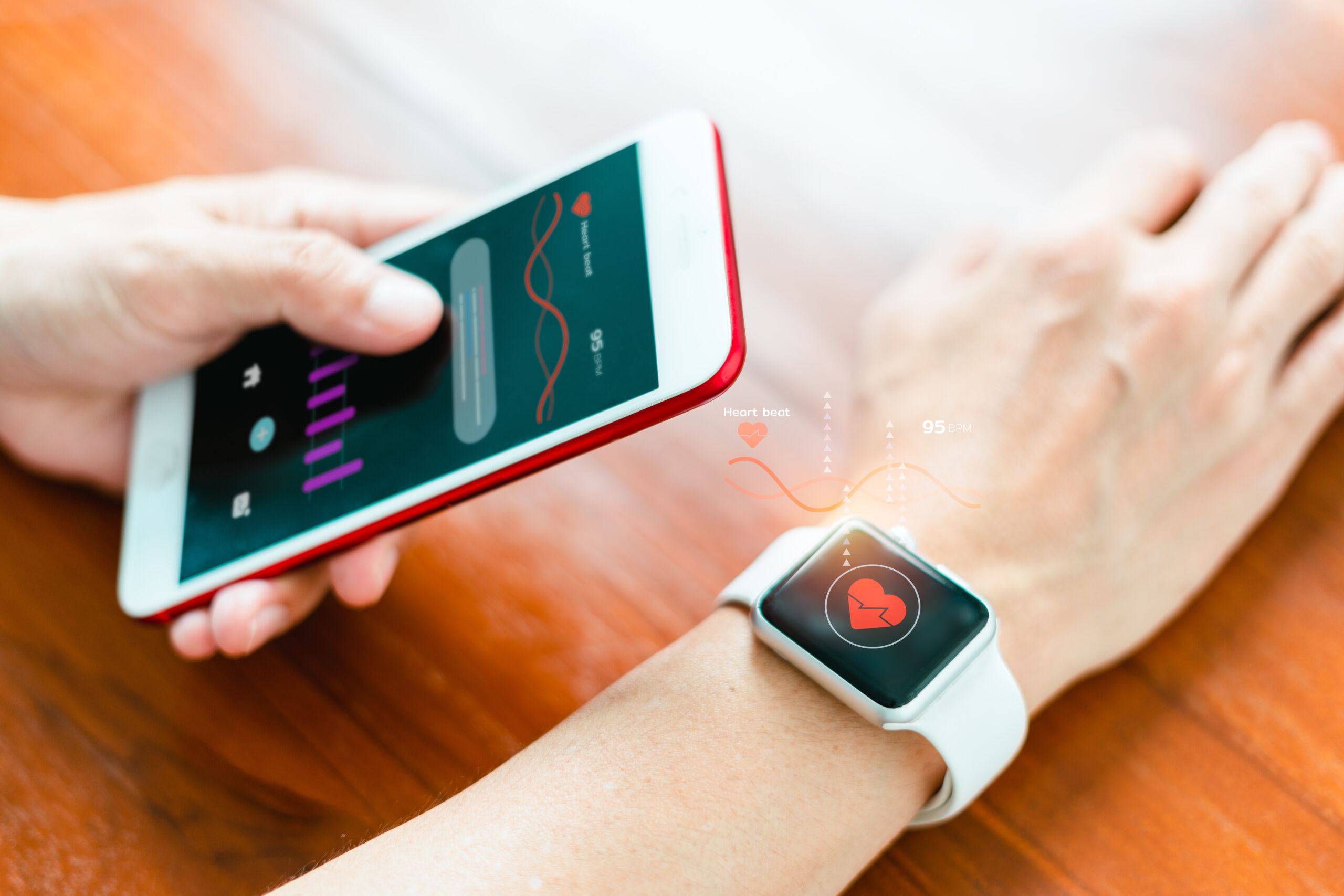
Smartwatches like the Apple Watch Series 9 and Samsung Galaxy Watch 6 are now essentially miniature computers. They do more than tell time—they monitor heart health, perform ECGs, measure oxygen levels, track sleep quality, and even detect falls or car accidents. Meanwhile, fitness trackers from Fitbit and Garmin cater to users who want lighter, battery-efficient devices focused on wellness and activity tracking.
Hearables and AR/VR Headsets
The audio space has seen a revolution with devices like Apple AirPods Pro, Bose QuietComfort Earbuds, and Sony LinkBuds, which now include biometric tracking and AI-powered sound enhancements. At the same time, AR and VR headsets like the Meta Quest 3 and Apple Vision Pro are redefining how we work and play—delivering immersive digital experiences that blend reality and virtual environments.
The Booming Market
The numbers tell the story. According to industry forecasts, the global wearable tech market is expected to reach over $186 billion by 2027, fueled by the demand for health tech, remote work tools, and immersive digital experiences.
What’s Coming Next? The Most Exciting Wearable Tech Trends
Let’s dive into some of the most promising and futuristic developments in wearable technology, many of which are already taking shape in 2025.
Health & Medical Wearables Are Getting Smarter
One of the most impactful areas for wearable tech is healthcare. Devices are no longer just tracking your steps—they’re now capable of providing real-time health monitoring and even early disease detection.
New wearables are being developed with the ability to track complex biomarkers like blood pressure, hydration levels, and glucose—all non-invasively. For diabetics, for example, this could eliminate the need for constant finger-pricking.
AI plays a significant role here. Advanced algorithms can now detect patterns that suggest early warning signs of conditions like atrial fibrillation, sleep apnea, or respiratory infections. Some wearables are even getting FDA approval, bridging the gap between consumer tech and clinical-grade medical tools.
In the near future, you might have a wearable that not only tracks your heart rate but also warns you of a potential health risk days before symptoms appear.
Augmented and Virtual Reality: Wearables Beyond the Screen
AR and VR wearables are evolving from niche gadgets into practical tools for work, learning, and play.
Imagine wearing lightweight glasses that overlay your calendar on your real-world view, offer real-time translation, or help you assemble furniture using digital instructions. Companies like Meta and Apple are developing exactly that. The Meta Ray-Ban Stories and Apple Vision Pro bring a new level of utility to eyewear, blending real and digital seamlessly.
VR, meanwhile, is not just for gaming anymore. From remote job training and medical simulations to virtual collaboration and architecture design, headsets are becoming critical tools in multiple industries.
Looking forward, we may also see holographic displays and neural interfaces—where your thoughts, not your hands, control the device.
Fashion-Tech Integration: Style Meets Function
Wearables are becoming more fashionable—and more invisible. The future isn’t just about putting gadgets on your body. It’s about embedding intelligence into what you’re already wearing.
Companies are now designing smart clothing that can regulate temperature, correct posture, or even detect muscle fatigue. There’s also a growing field of e-skin and tattoo sensors—ultra-thin wearables that adhere to your skin and track metrics without feeling bulky or uncomfortable.
Luxury brands are also entering the scene. Collaborations like TAG Heuer x Google or Montblanc’s Summit 3 smartwatch are examples of high-end fashion meeting cutting-edge technology.
Battery and Energy Breakthroughs
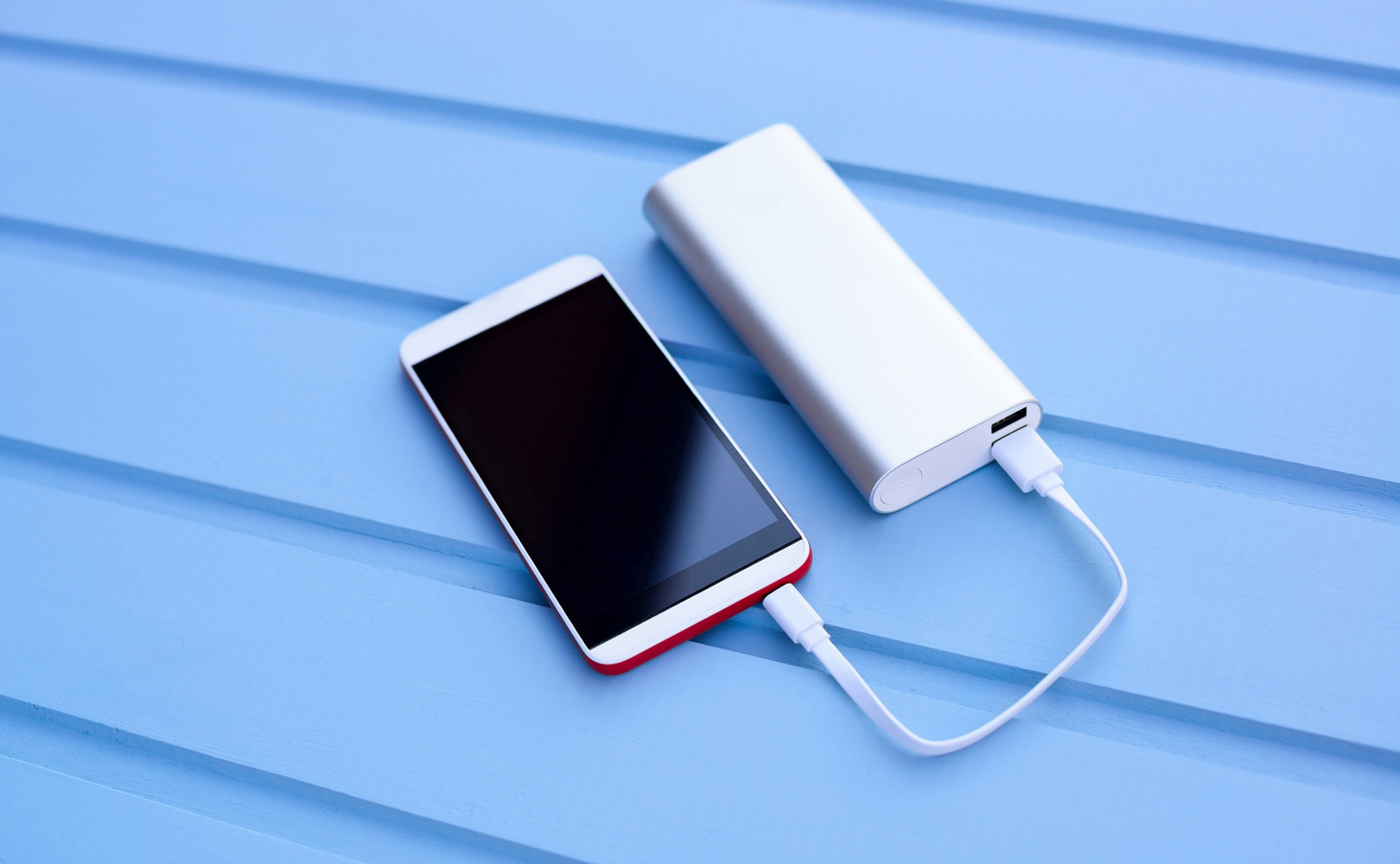
If there’s one thing everyone wants from their wearable, it’s better battery life. Until now, daily or weekly charging has been the norm—but innovations are changing that.
New wearables are using solar panels, body heat, and kinetic movement to self-charge. At the same time, graphene batteries and low-power chips are being tested to drastically extend runtime.
This could lead to devices that last weeks or months on a single charge, or even charge passively while you move.
Brain-Computer Interfaces: Mind Over Machine
It may sound like science fiction, but brain-computer interfaces (BCIs) are real and developing fast. Companies like Neuralink, Emotiv, and Synchron are creating systems where you can control a computer using your thoughts.
In practical terms, this could mean operating your phone, playing a video game, or even controlling a prosthetic limb using only your brain signals. While BCIs are still in the early stages, the potential for accessibility, gaming, and communication is massive.
By 2030, we might see the first mainstream consumer devices that blur the line between mind and machine.
The Challenges Ahead
As with any emerging technology, wearable tech isn’t without its concerns.
Privacy and Data Security
Wearables collect sensitive health and location data. If this information isn’t secured properly, it could be stolen or misused. Transparency and encryption are crucial as devices become more deeply integrated into our lives.
Cost and Accessibility
Many advanced wearables are still priced out of reach for the average consumer. Making these devices more affordable is key to global adoption.
Durability and Battery Life
Even with ongoing innovations, many devices still struggle with short battery life, fragile designs, or uncomfortable wear.
Regulation and Compliance
As wearables enter the medical space, they must comply with health regulations like FDA approval in the U.S. or GDPR compliance in Europe, which can slow down innovation and availability.
What the Future Holds (2025–2030)
Looking a few years ahead, the future of wearable tech looks more integrated, intelligent, and invisible.
- Implantable wearables: Devices under the skin that monitor health, open doors, or store IDs.
- Emotion-aware wearables: Gadgets that detect your stress, anxiety, or mood and suggest actions like meditation or music.
- Pet wearables: Smart collars that monitor pets’ health and behavior.
- Smart city integration: Wearables that interact with your environment—adjusting street lights, recommending safe walking routes, or optimizing your commute.
How You Can Prepare
For Businesses
Start investing in wearable-compatible services and platforms. Collaborate with tech companies to explore opportunities in health, training, and workplace safety.
For Consumers
Keep an eye on trends. Read reviews, understand privacy settings, and invest in devices that match your lifestyle and health needs.
For Developers
Focus on AI, UX design, and security-first development. The future is software-rich and sensor-powered, so building tools that are intuitive, private, and adaptive is key.
Conclusion
The future of wearable technology is closer than you think. From mind-controlled devices to emotion-aware smartwatches and AR glasses that redefine reality, wearable tech is set to transform how we live, work, and interact.
This is no longer about gadgets. It’s about creating smarter, more connected human experiences.
🛍️ Explore the latest smart wearables in our collection – ASD Store